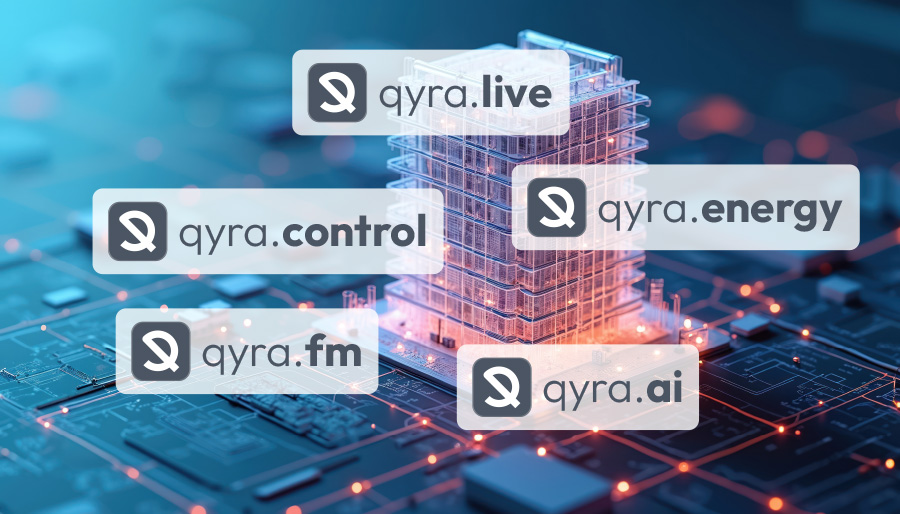
qyra.run is the central system for ongoing smart building automation operations within qyra.sphere. It ensures that planned and implemented systems function stably, transparently, and reliably in day-to-day operations—from individual plant components to complex, distributed structures and portfolios.
The focus is on continuous operations: states, data streams, and functions are continuously monitored, made available in a traceable manner, and placed in a shared context. Deviations, optimization potential, and operational measures can be identified early and managed in a targeted way.
Operations are not understood as a purely reactive task, but as a designed, controlled state. All relevant information, functions, and support mechanisms interlock within a shared system context, enabling safe, efficient, and sustainable plant operation.
The application for operations
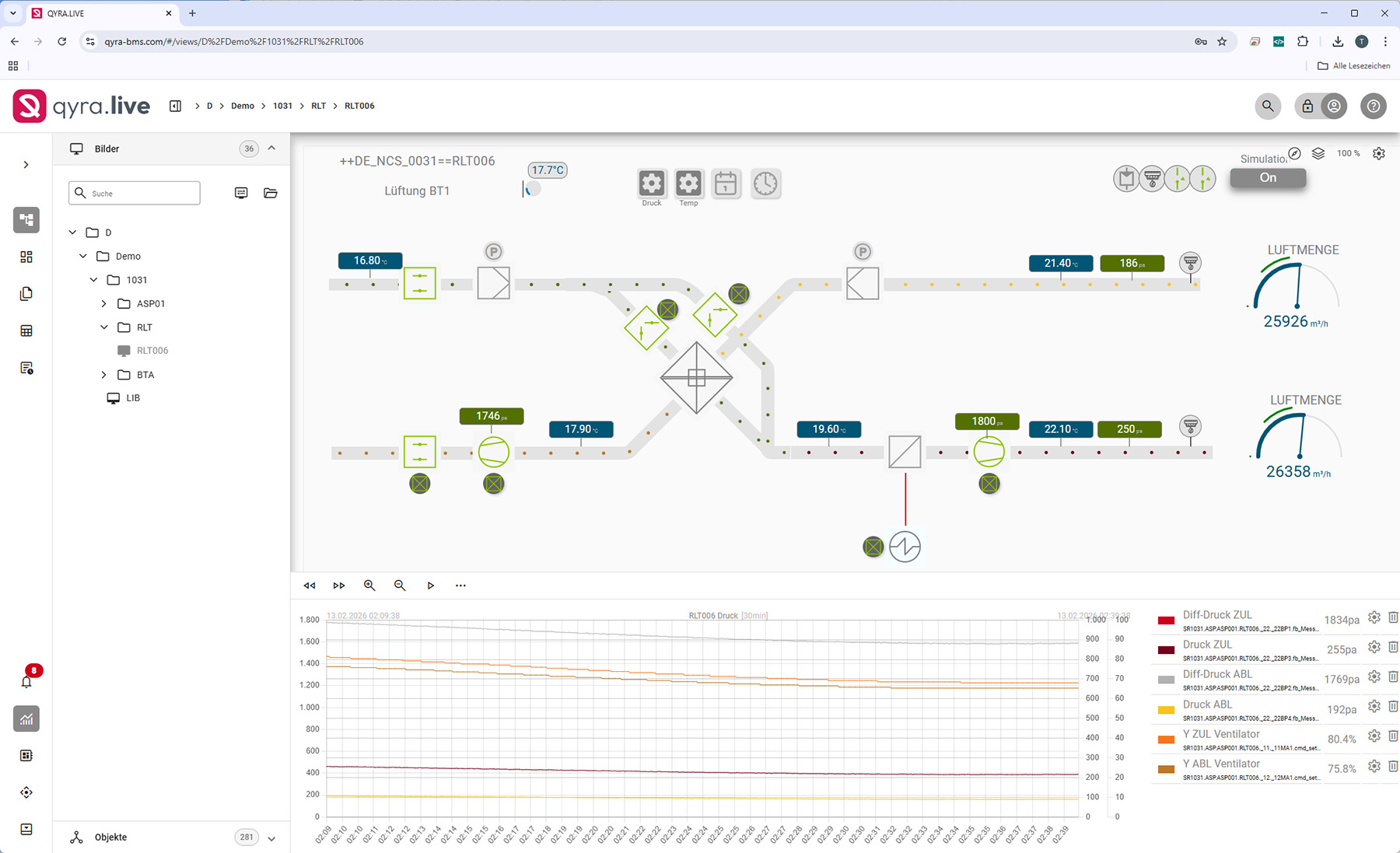
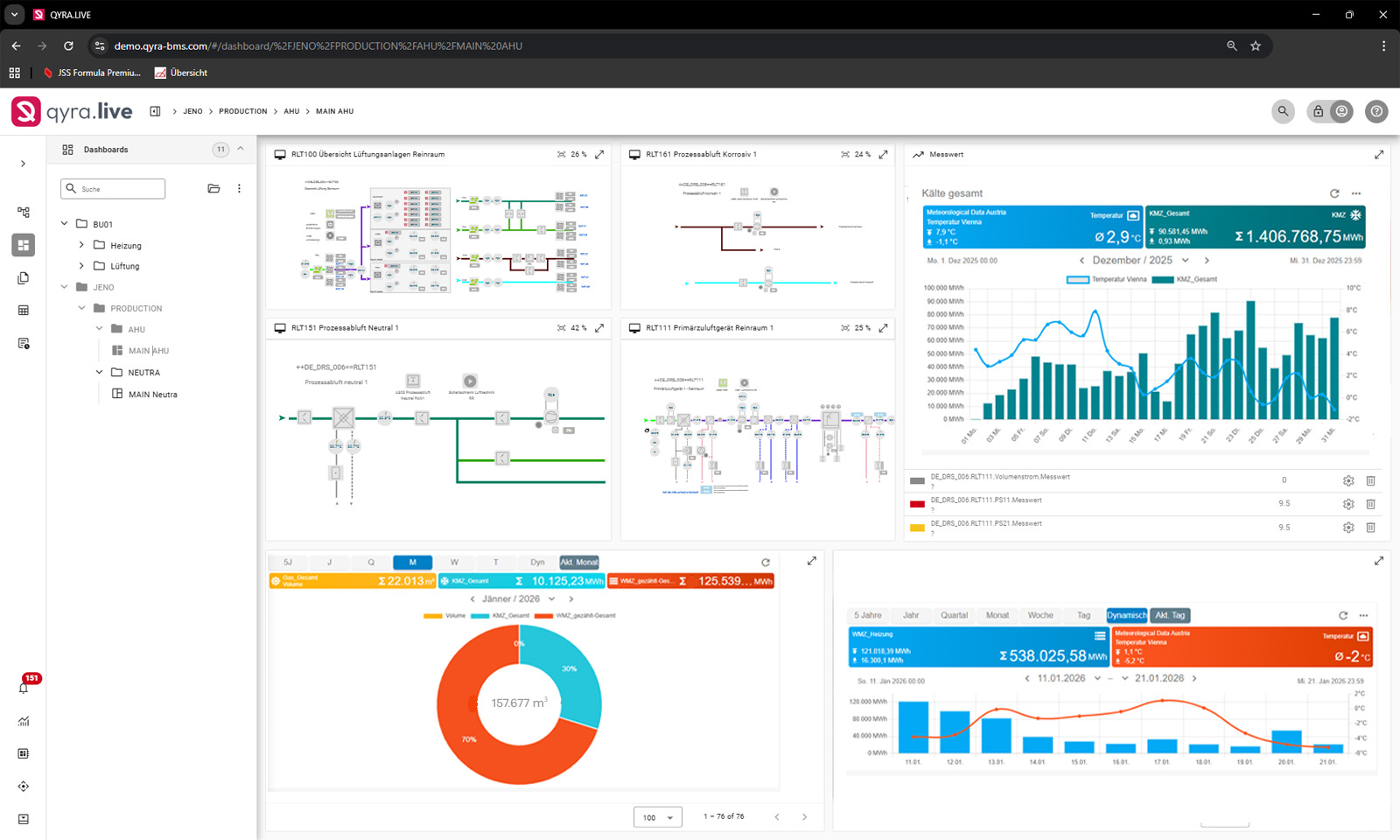
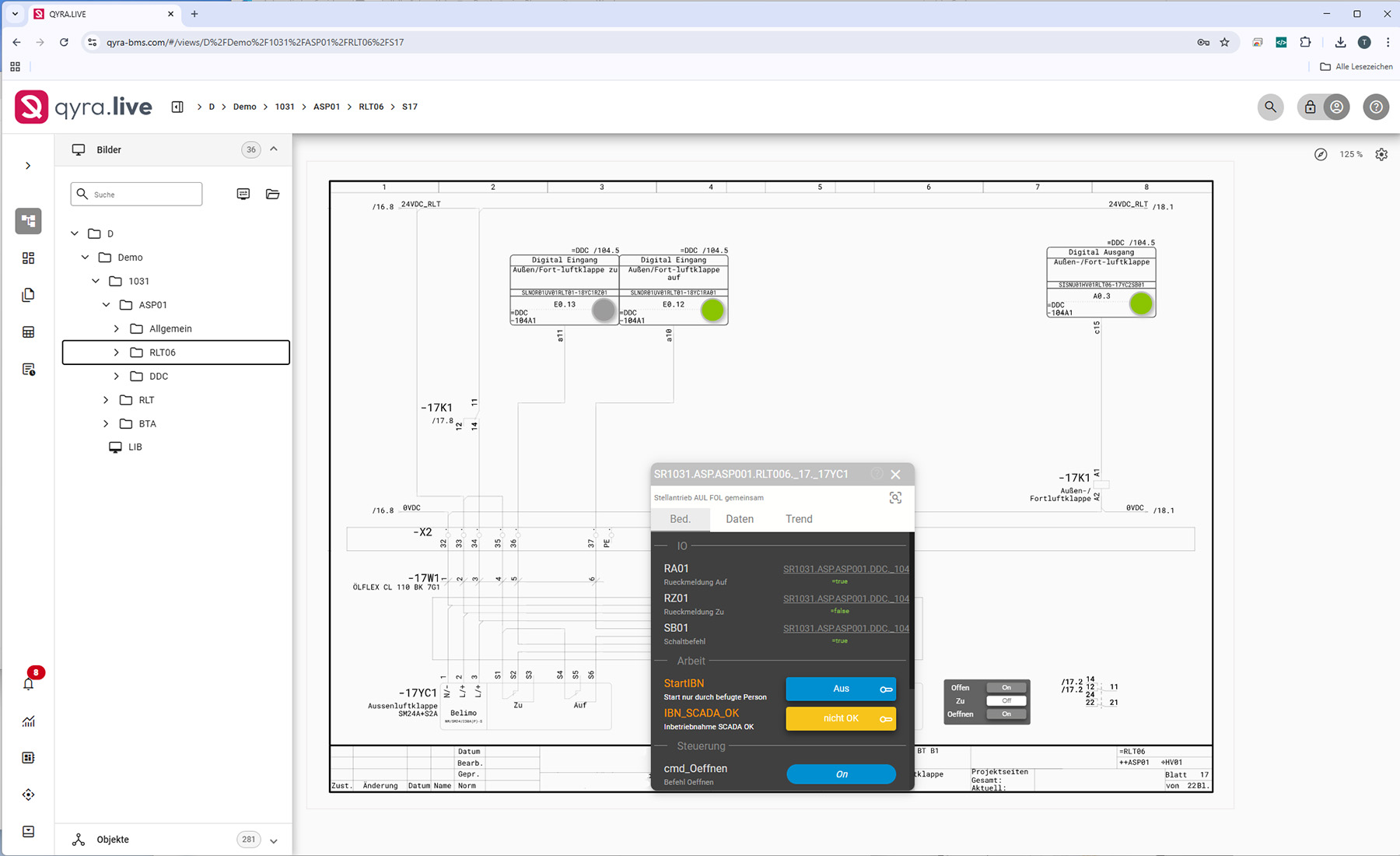
qyra.live is the user interface of qyra.run. As a viewer and frontend, it clearly presents system states, processes, and information and makes operations manageable.
All relevant layers—from control and analytics to facility and energy management—come together here. This gives you a clear, unified view of your system, without media discontinuities or separate applications.
Redundancy and high availability
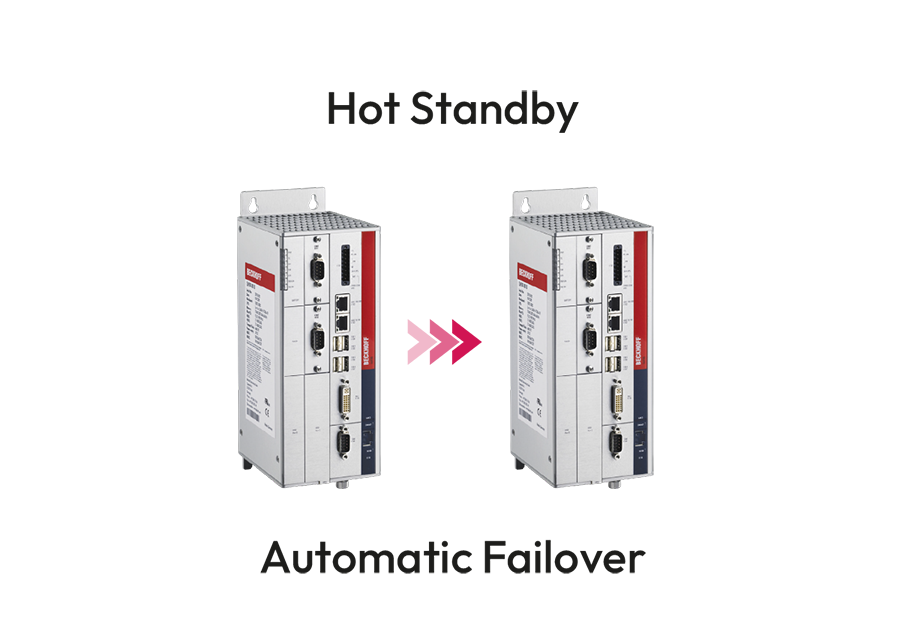
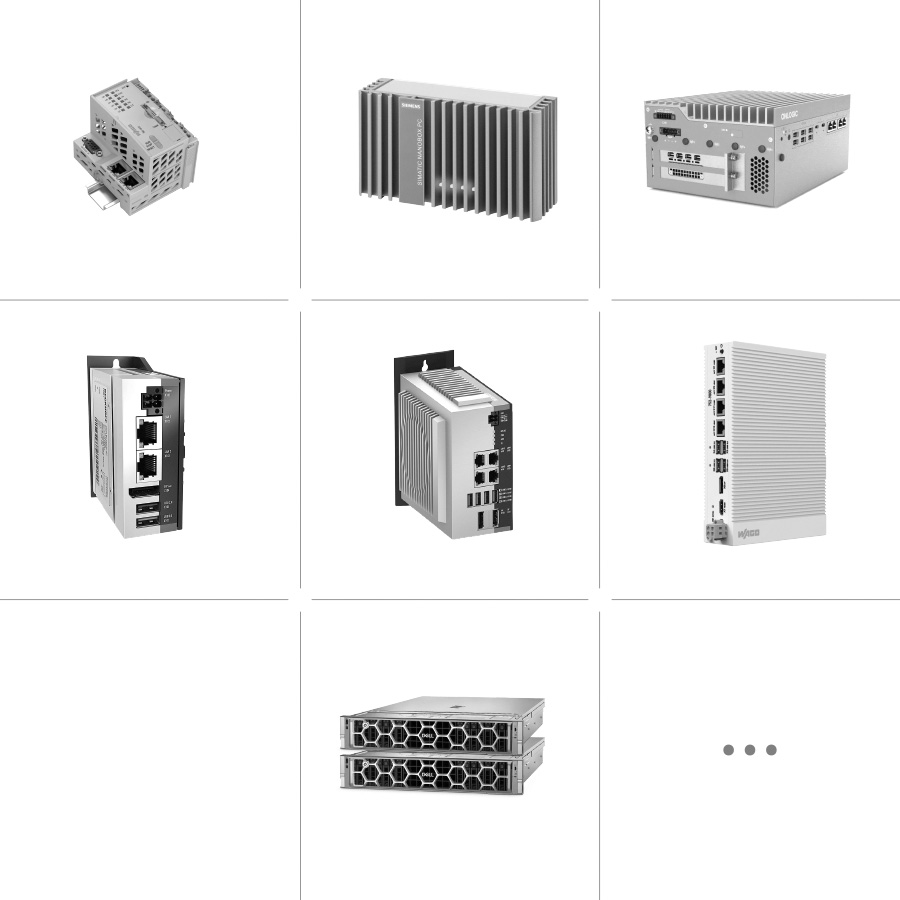
QYRA implements redundancy and high availability as integrated system functions. Mechanisms such as hot standby and disaster recovery concepts are not implemented as special solutions, but are part of the regular system structure. Redundant instances can run synchronously and take over automatically in the event of a fault—without manual intervention or project-specific logic.
The implementation goes beyond mere system duplication. Automatic client failover, autonomous recovery, synchronization of process images and histories, and synchronization of project files ensure consistent states. Redundancy is available at the control and supervisory levels and also includes network infrastructures. BUILD thus creates systems that can handle failures—technically and organizationally.
Control as a backend
qyra.control forms the control and execution layer of qyra.run. PLC-level functions and backend logic are operated and monitored consistently here. The control system is not isolated, but part of the overarching system.
For you, this means: clear responsibilities, stable runtime environments, and a control layer that is cleanly embedded in operations, visualization, and evaluation.
Energy management for buildings and portfolios
qyra.energy provides energy management within qyra.run. Energy consumption, generation, and interactions are recorded, analyzed, and evaluated for individual buildings as well as for groups of buildings or entire portfolios.
Consolidating consumption data, load profiles, and generation shares creates a robust basis for ongoing operations as well as for strategic decisions. In addition to technical optimization of systems, qyra.energy also supports the optimization of energy procurement—for example through transparent load curves, comparability of sites, and the evaluation of tariff and contract models.
This enables qyra.energy not only to measure energy, but to manage it systematically—from operational management through to well-founded decisions in energy procurement. Optimizations are based on consistent, up-to-date data from ongoing operations, not on isolated individual analyses.
Facility management in operations
qyra.fm supports operational activities from a facility management perspective and maps all relevant FM processes within qyra.run. Assets, states, and operational information are systematically consolidated and viewed in the context of individual buildings or entire portfolios.
In addition, qyra.fm provides a structured document repository for technical documentation, maintenance schedules, inspection reports, and acceptance records. An integrated ticketing system enables the recording, prioritization, and tracking of faults, maintenance tasks, and measures directly in the operational context.
The IBN check (commissioning check) ensures that systems have been transferred into operation completely, correctly, and traceably—including documentation, condition checks, and handover into regular operation.
Through open interfaces to existing FM and CAFM tools, qyra.fm can be seamlessly integrated into existing system landscapes. This ensures that facility management does not remain isolated, but is managed as an integral part of the ongoing system.
This gives you transparency regarding the use, condition, and operation of your infrastructure—consistent, traceable, and continuously up to date.
AI support in the system context
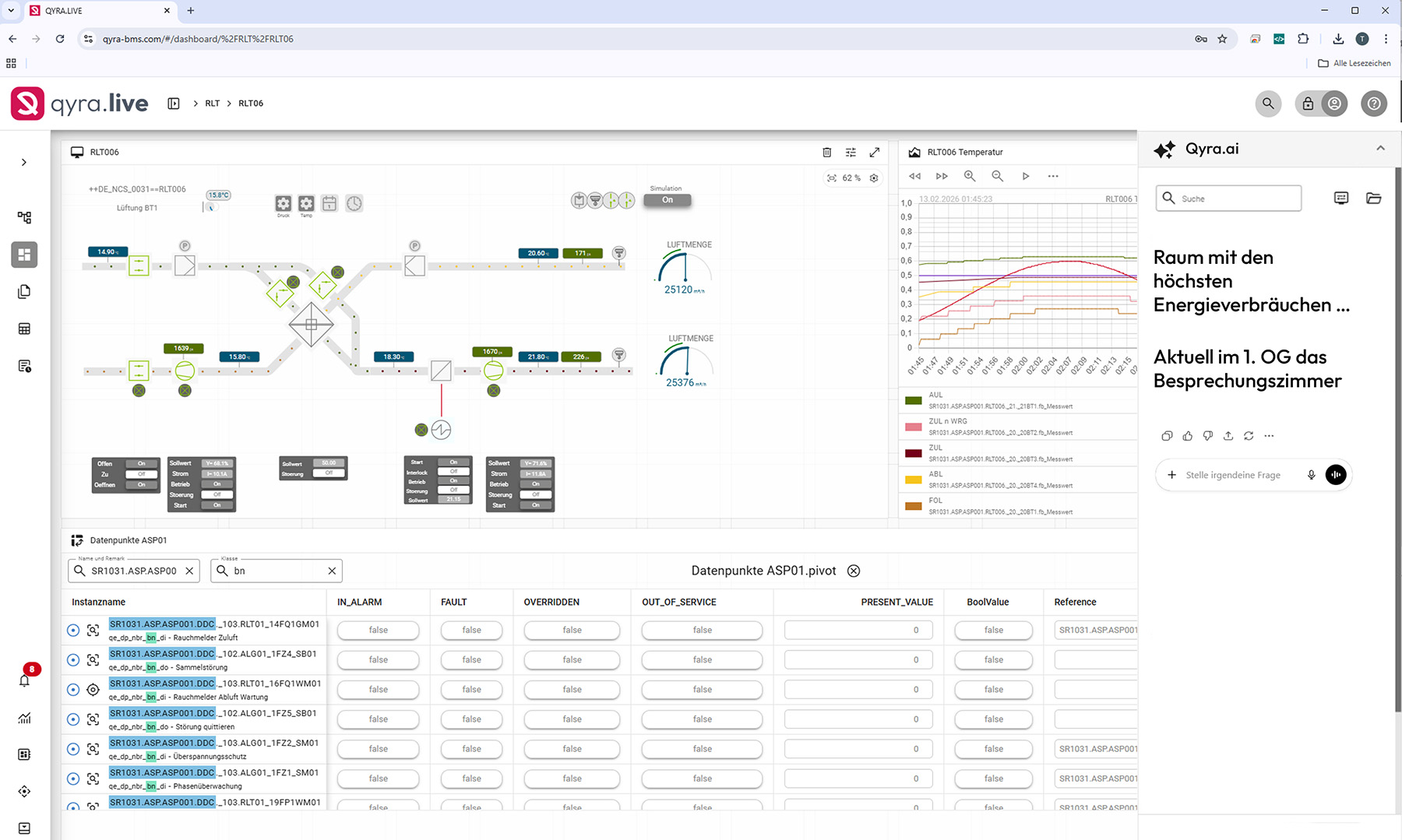
qyra.ai integrates artificial intelligence directly into ongoing operations. AI is not outside the system, but works in context with current states, histories, and system structures.
You can use AI in a targeted way for support—for example for analysis, decision support, or direct prompting within the system. qyra.ai remains controllable, traceable, embedded in the operational context, and GDPR-compliant.